
Reach Hub UI
UX Improvements for Project Management Platform
Improving usability, clarity, and navigation in a WebXR project management platform.
Context
Reach Hub is the project management interface for Virtalis Reach, allowing teams to create WebXR visualisation projects, manage assets, monitor processing jobs, and control user permissions.
The platform was used by engineers, developers, designers, and clients to manage and access immersive visualisation environments.
When I joined Virtalis, Reach Hub had grown organically and suffered from multiple usability issues affecting navigation clarity, interaction consistency, and perceived product quality.
Product Problem
A UX audit revealed several issues impacting usability and adoption:
- Inconsistent interaction patterns across sections.
- Unclear navigation and action affordances.
- Lack of onboarding for first-time users.
- Poor readability due to full-width layouts.
- A purely functional visual design that weakened perceived product value.
Because Reach Hub was actively used by enterprise teams, improving usability was essential to support project management workflows and reinforce the product’s credibility.
Constraints
The project had important constraints:
- WebXR development was the primary product priority.
- Limited engineering capacity for major structural changes.
- Tight release timelines.
Because of this, we adopted a two-phase improvement strategy:
- Short-term usability improvements that preserved the existing UI structure,
- Future research-led redesign based on deeper UX studies.
This approach allowed us to significantly improve usability without delaying other roadmap priorities.
My Role
As Senior Product Designer, I:
- Conducted UX audits and first-time user analysis.
- Identified usability issues and interaction inconsistencies.
- Proposed design recommendations and structural improvements.
- Created browser-based prototypes to demonstrate the improved UI.
- Supported implementation through CSS styling and design guidance.
Key Design Decisions
1. Reduce cognitive load
Inconsistent interaction patterns across sections created confusion.
I introduced clearer CTAs and more predictable interaction patterns.
2. Improve affordance and navigation clarity
Icon-only navigation and inconsistent clickable areas made actions difficult to understand.
I introduced labelled controls and standardised interaction zones.
3. Improve readability and layout structure
Full-width layouts reduced readability.
I implemented a constrained content container to improve scanning and visual hierarchy.
4. Increase perceived product quality
The UI was visually functional but lacked brand presence.
I improved visual styling and consistency to increase perceived product value and support sales demonstrations.
Outcome
The improvements resulted in:
- Clearer navigation across core platform sections.
- More consistent interaction patterns.
- Reduced cognitive load for first-time users.
- Improved visual clarity and perceived product quality.
The updated interface provided a stronger foundation for future UX research and structural improvements planned in the next product phase.
Visual Evidence
Due to higher priorities on the roadmap, we decided to go for a 2-phase UX strategy as this approach would allow us to maximise the resources for other projects and achieve a significant improvement in the short term.
So phase one would consist in:
- Implementing all the design recommendations from my UI/UX audit to resolve several UX issues while preserving the current UI structure as much as possible
- Restyling the UI elements to improve the look-and-feel and the perceived value of the product
Then, phase two would start with a series of UX studies such as user interviews, usability testing sessions and card sorting, and finish with a complete restructuring of the platform and its information architecture, user flows, UI layout and look-and-feel.
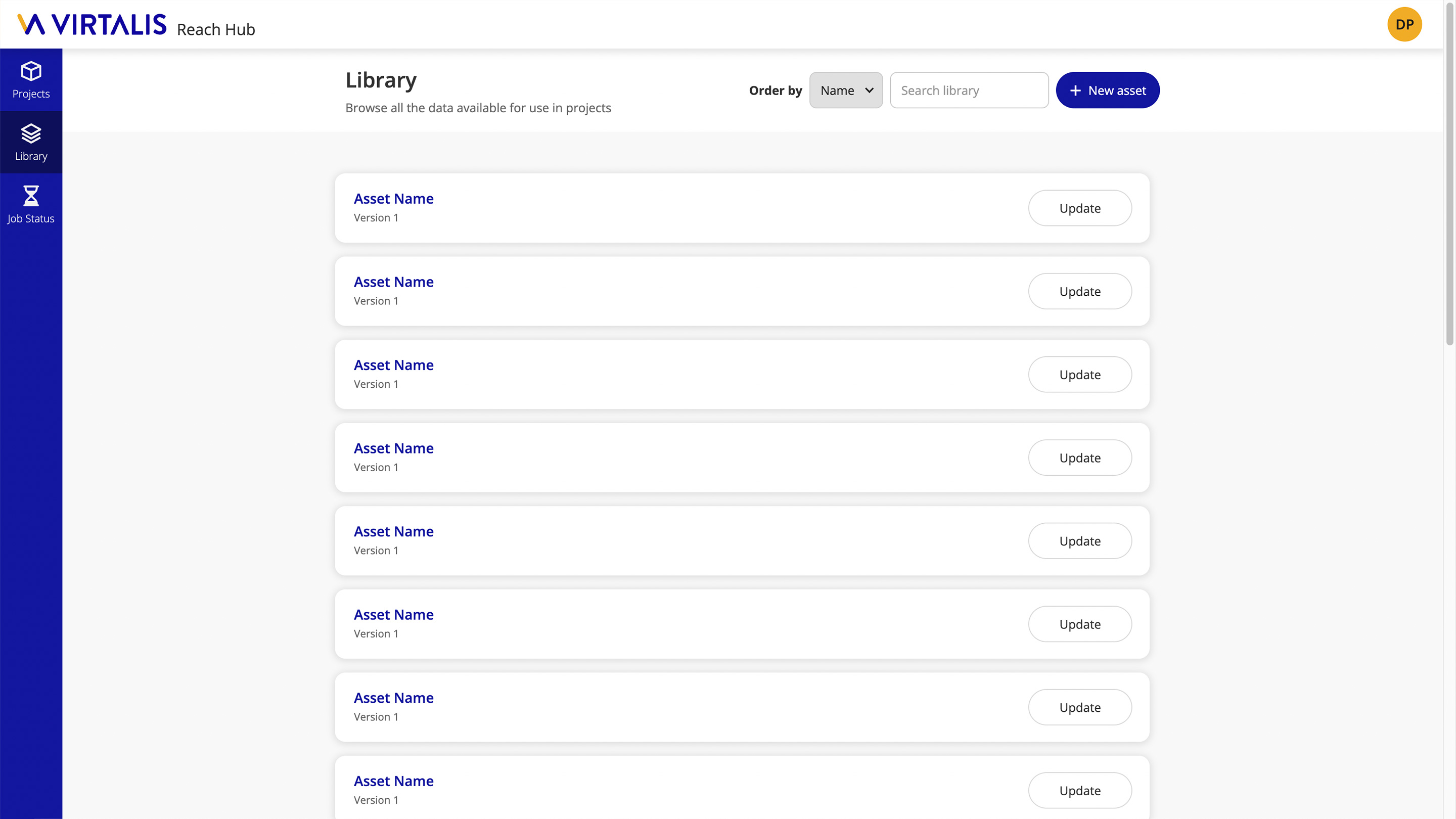
The following sections show the work I did for phase one, comparing the before and after of the Reach Hub UI:
Projects Page
PROJECTS page before
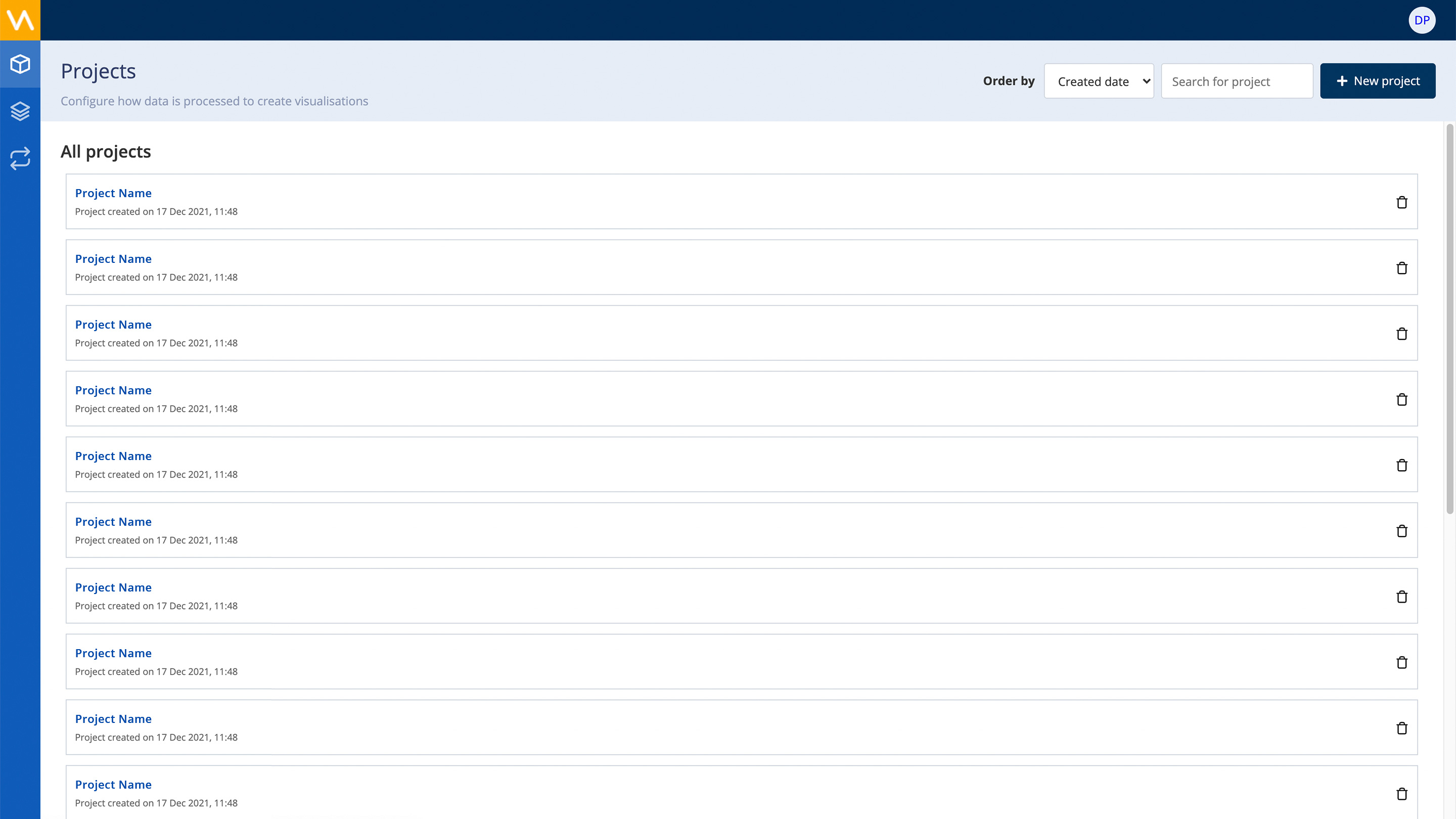
PROJECTS page after
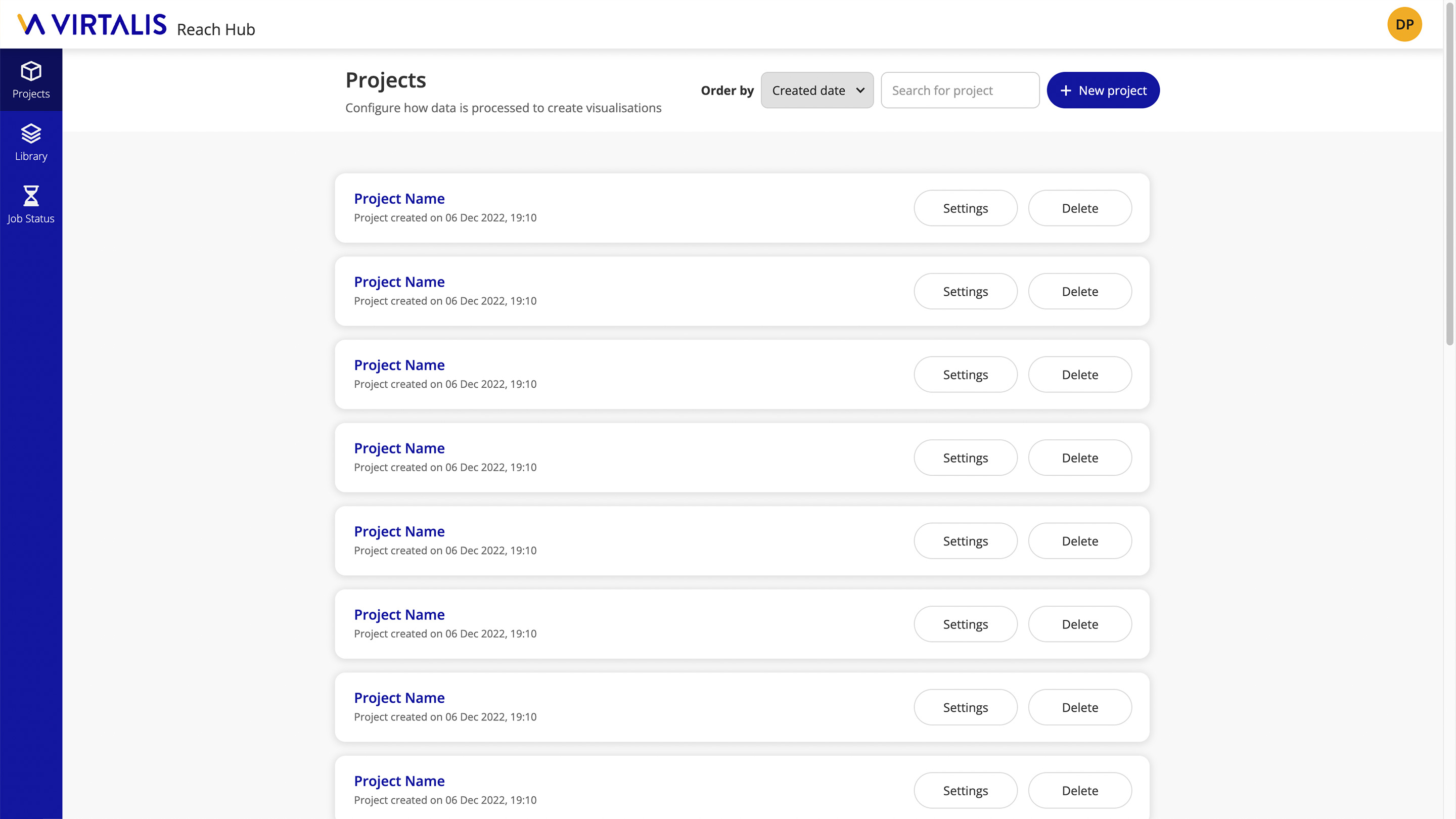
Library Page
LIBRARY page before

LIBRARY page after
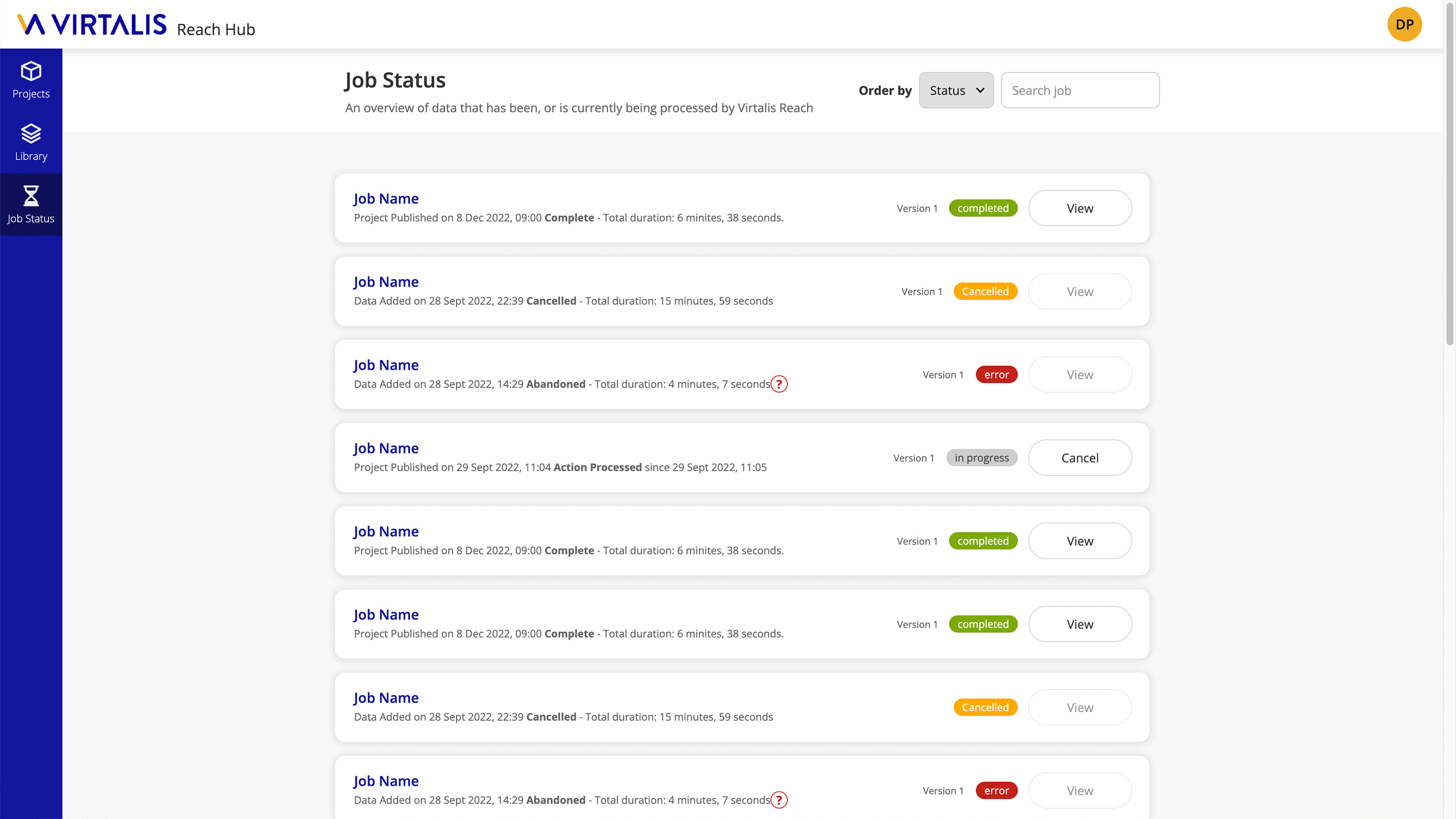
Job Status Page
JOB STATUS page before
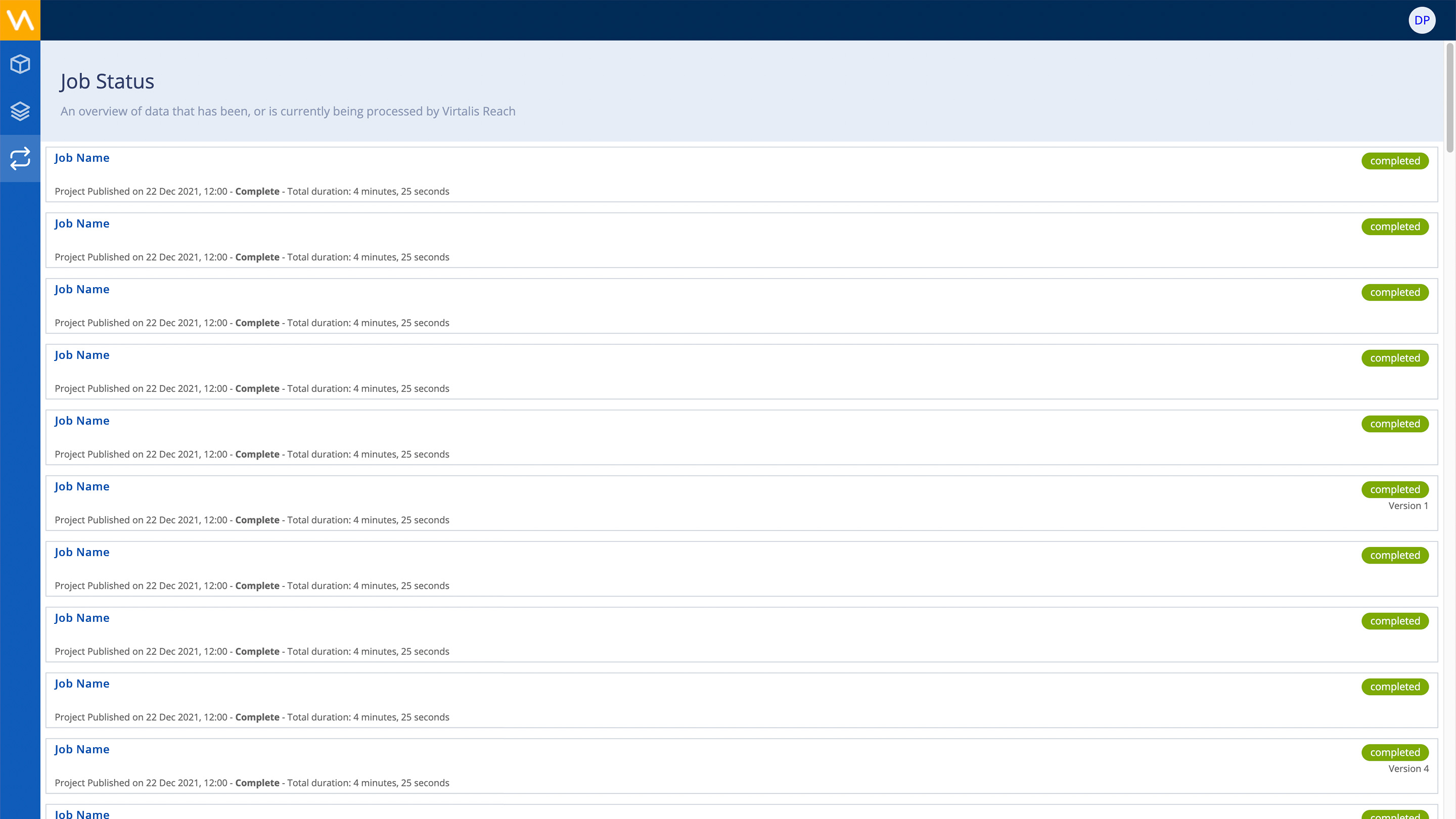
JOB STATUS page after
Create Project Page and Steps
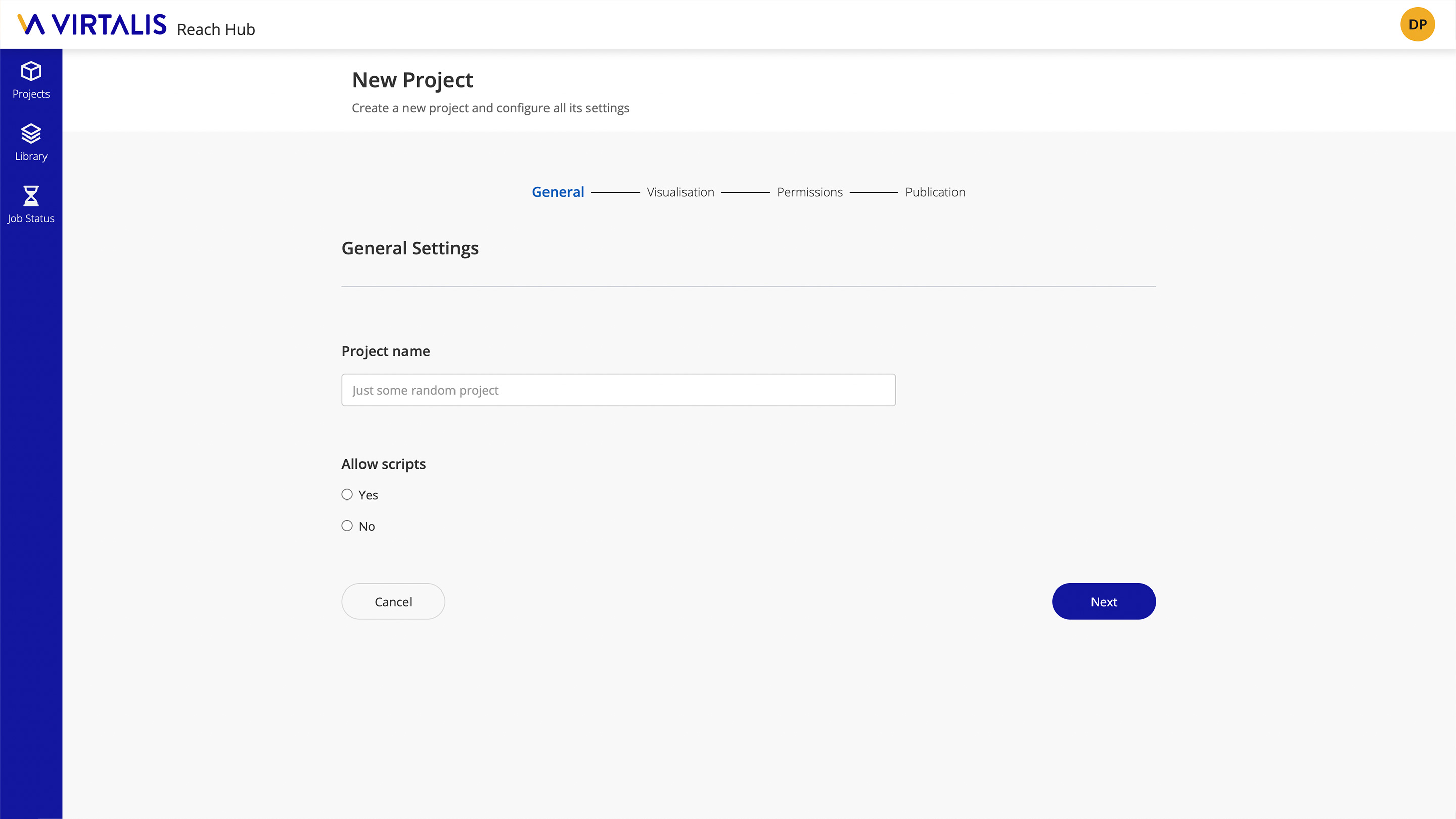
CREATE PROJECT step 1 before
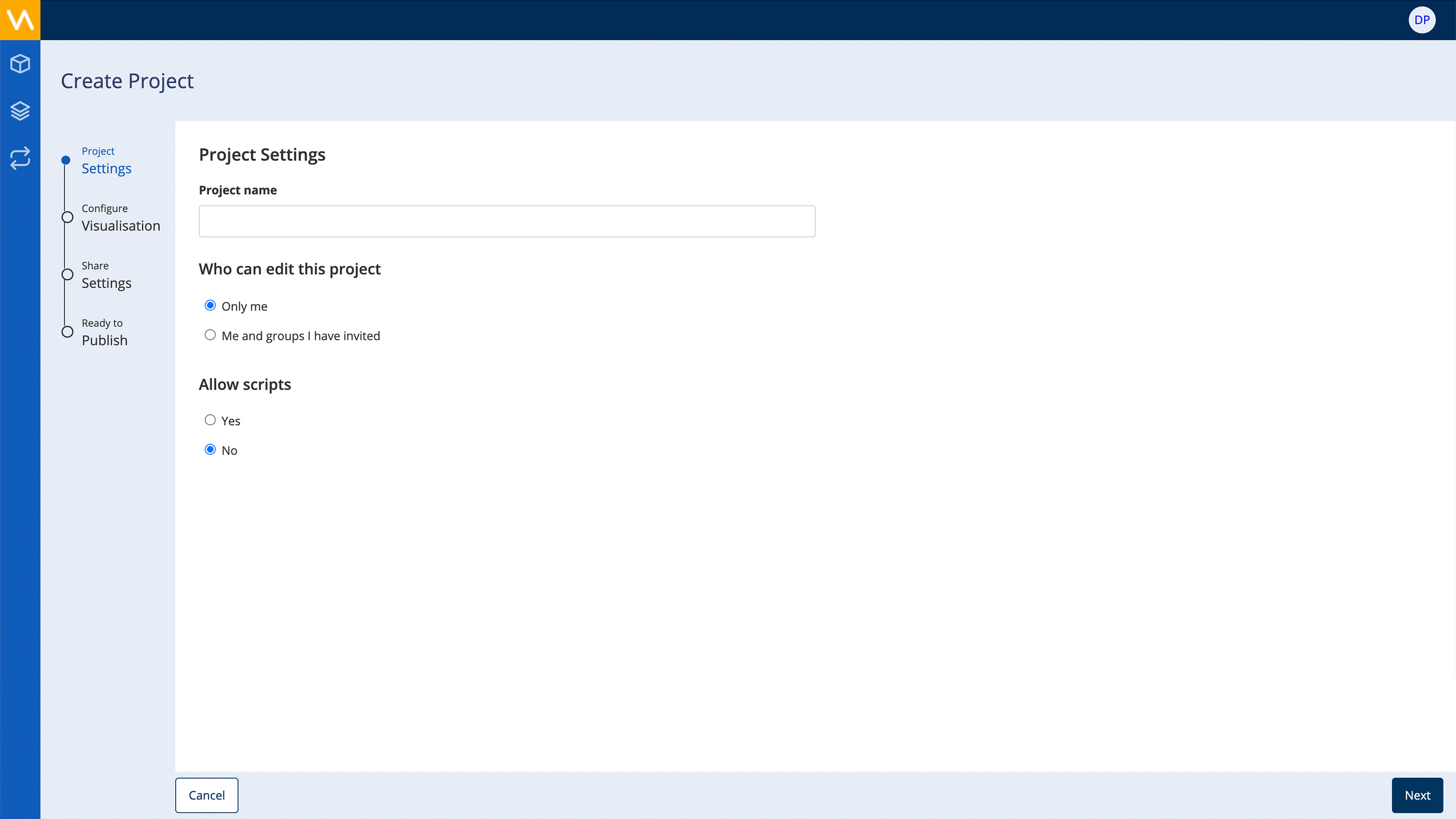
CREATE PROJECT step 1 after
CREATE PROJECT step 2 before
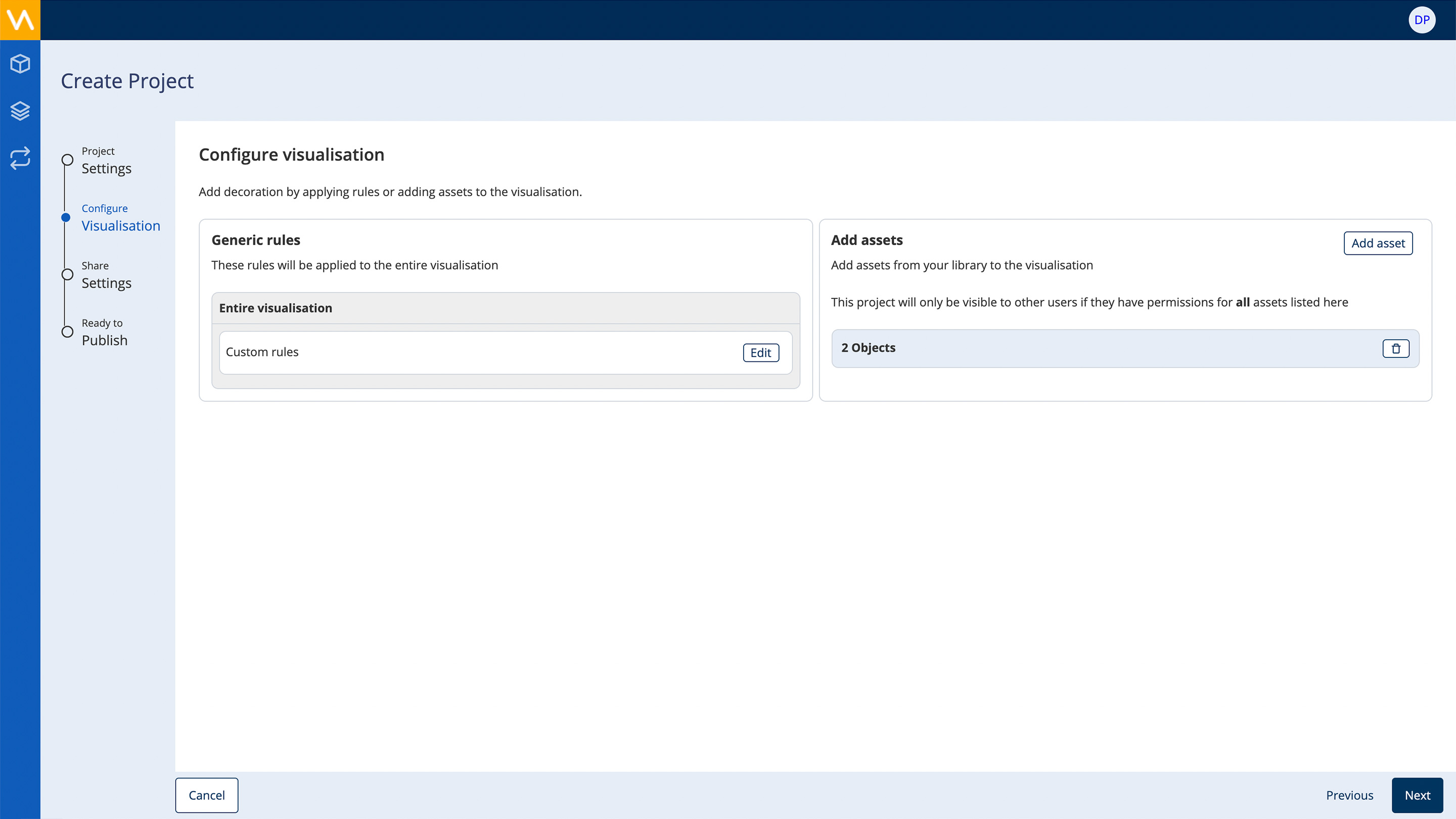
CREATE PROJECT step 2 after
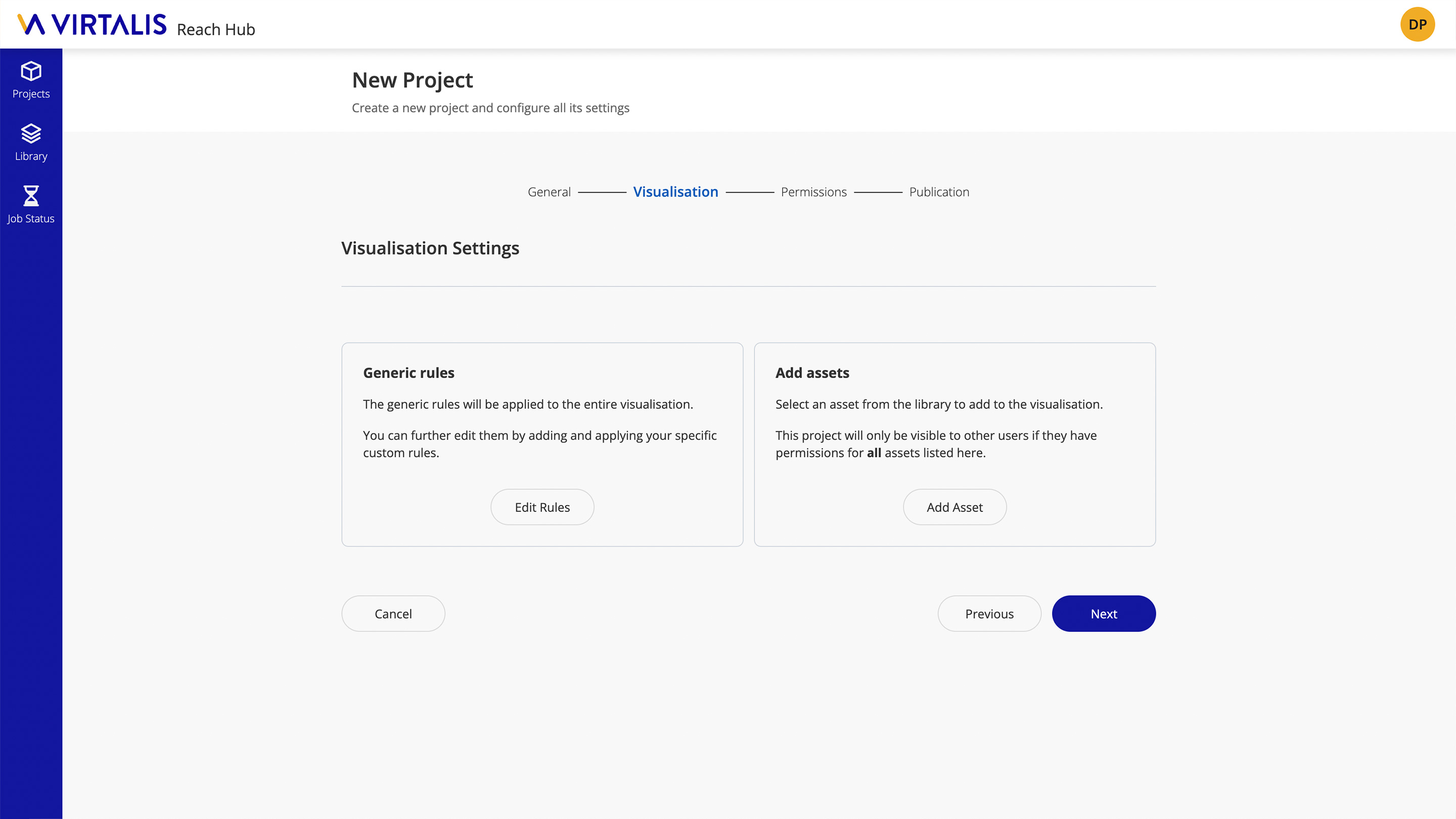
CREATE PROJECT step 3 before
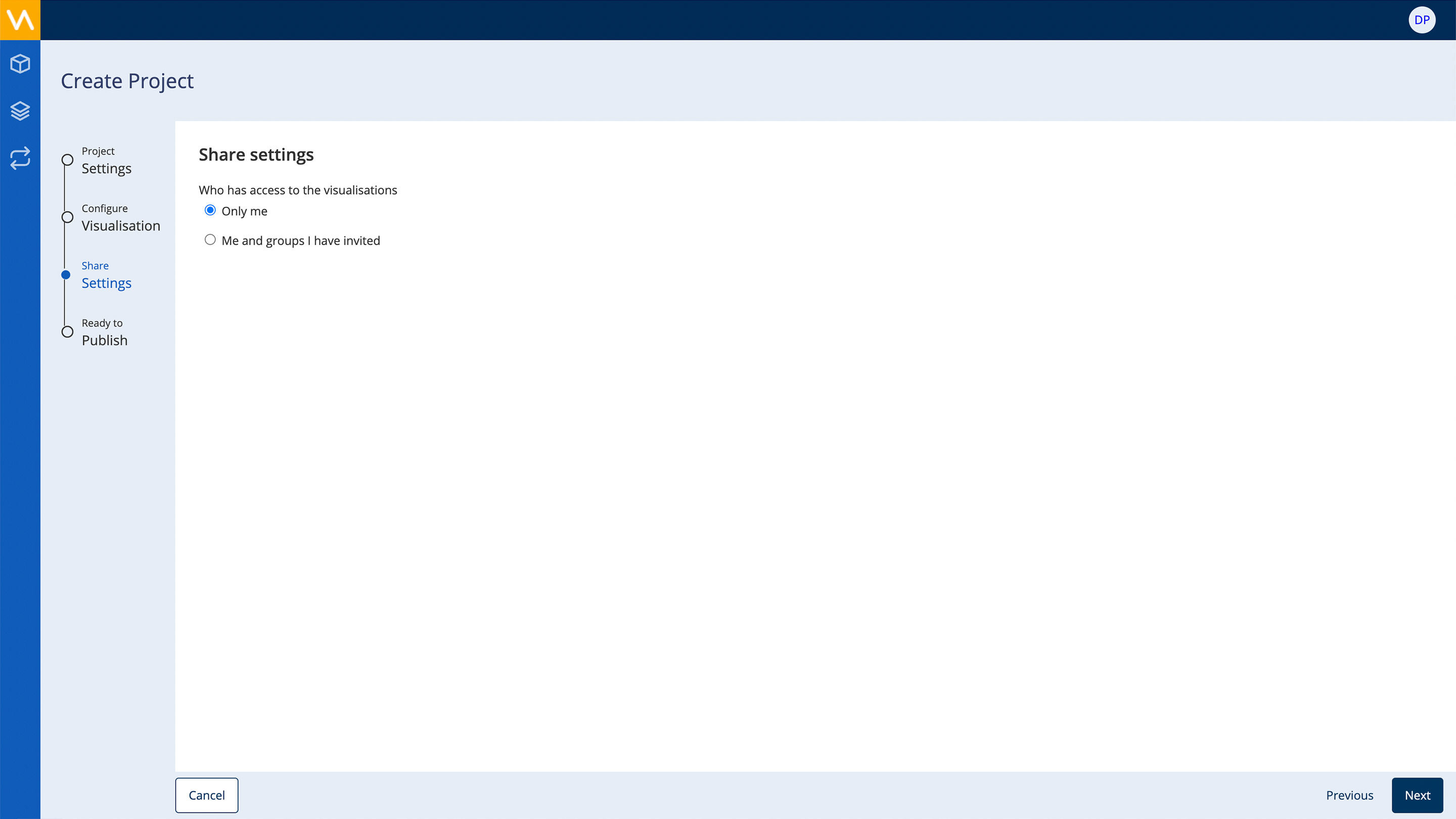
CREATE PROJECT step 3 after

CREATE PROJECT step 4 before

CREATE PROJECT step 4 after
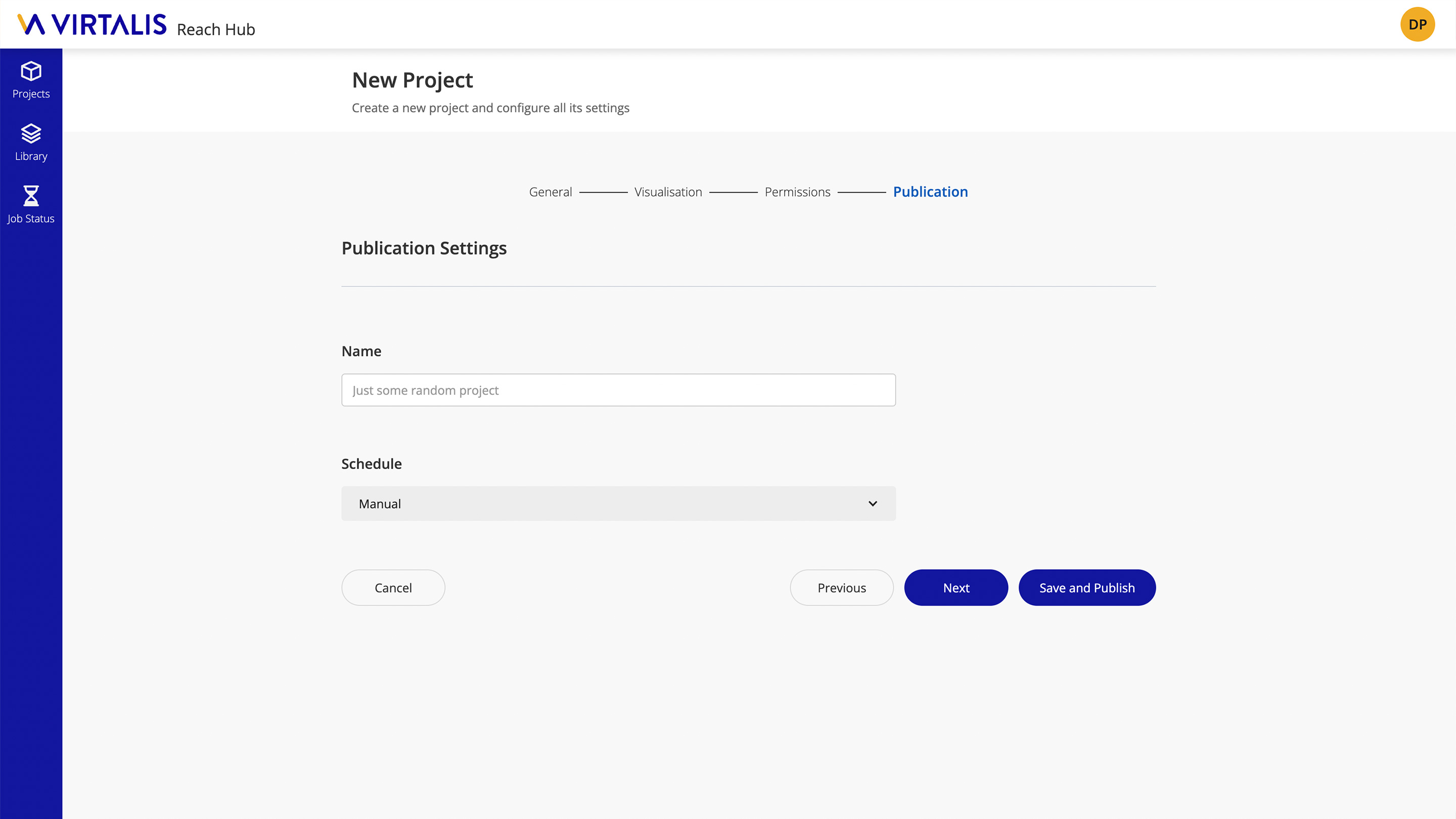
Project Settings Page and Tabs
PROJECT SETTINGS - General tab before
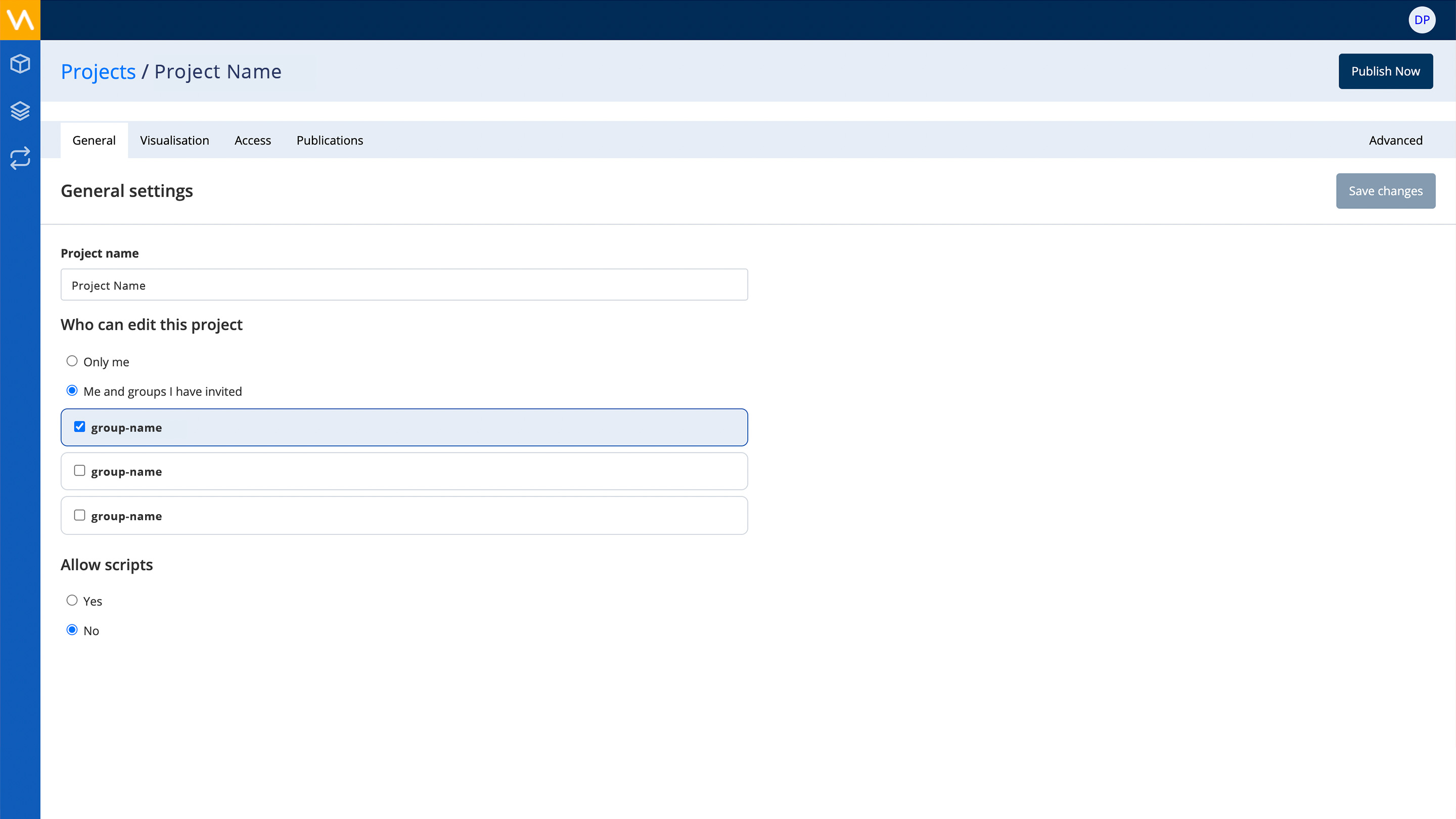
PROJECT SETTINGS - General tab after
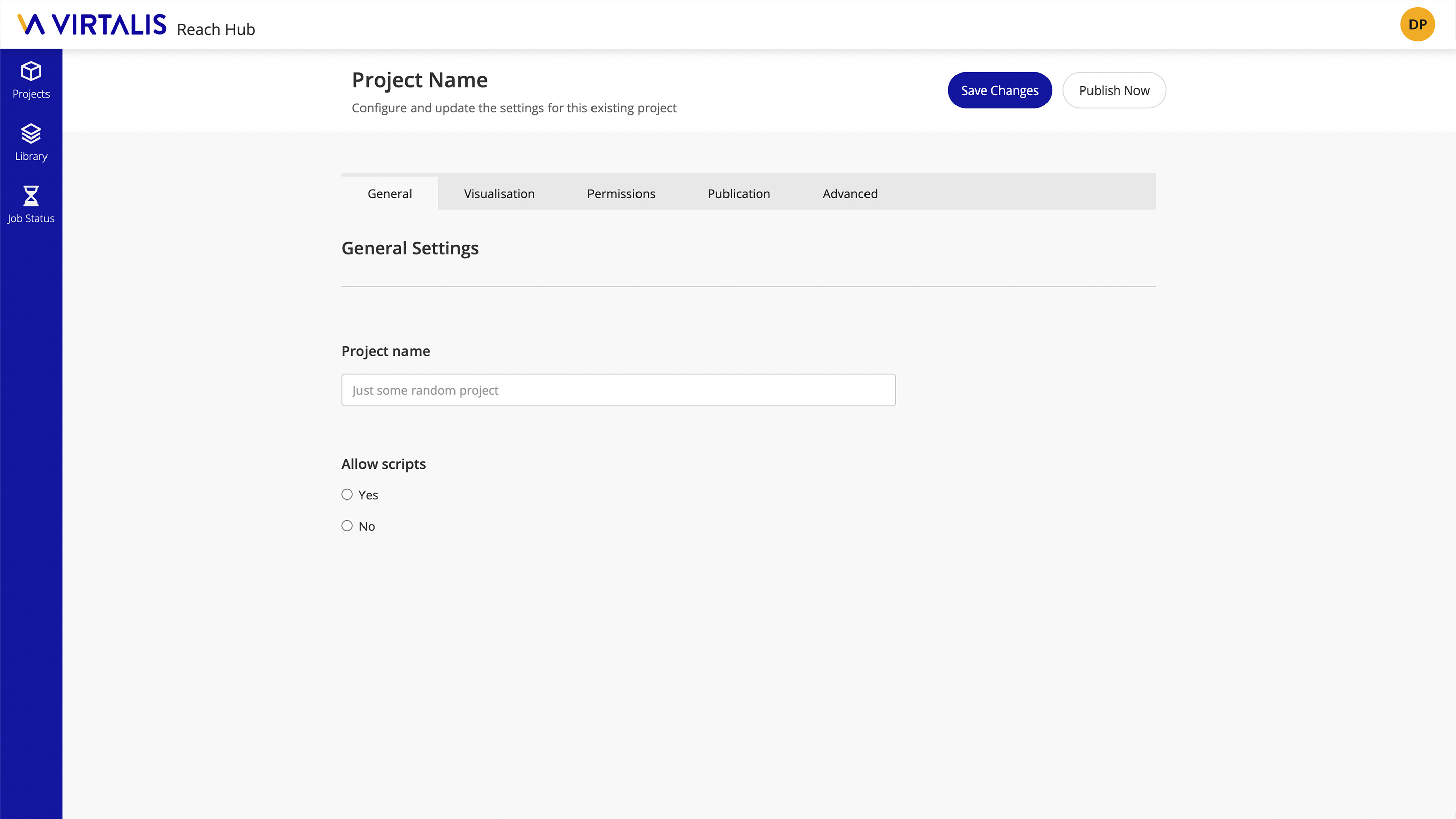
PROJECT SETTINGS - Visualisation tab before
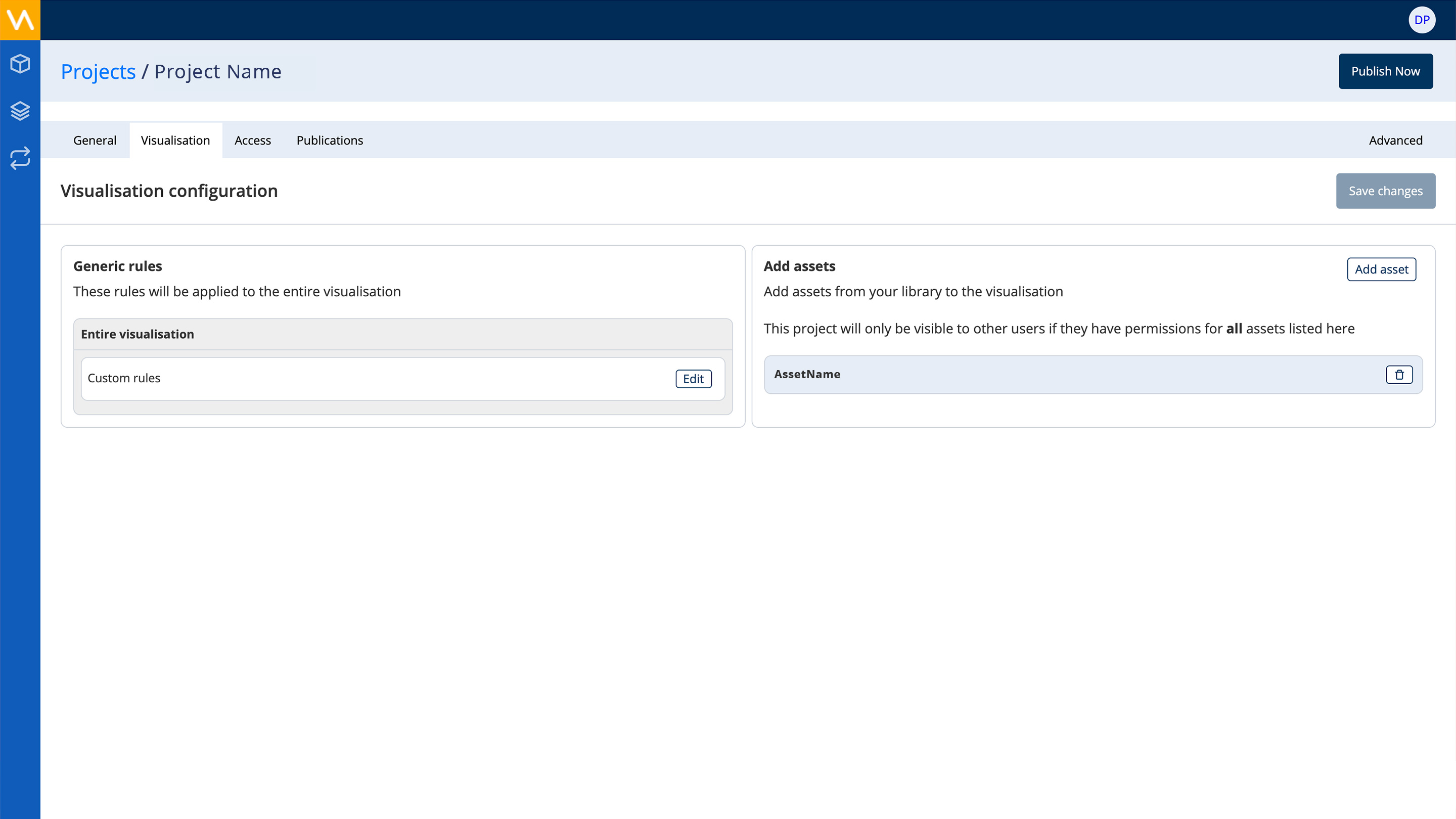
PROJECT SETTINGS - Visualisation tab after
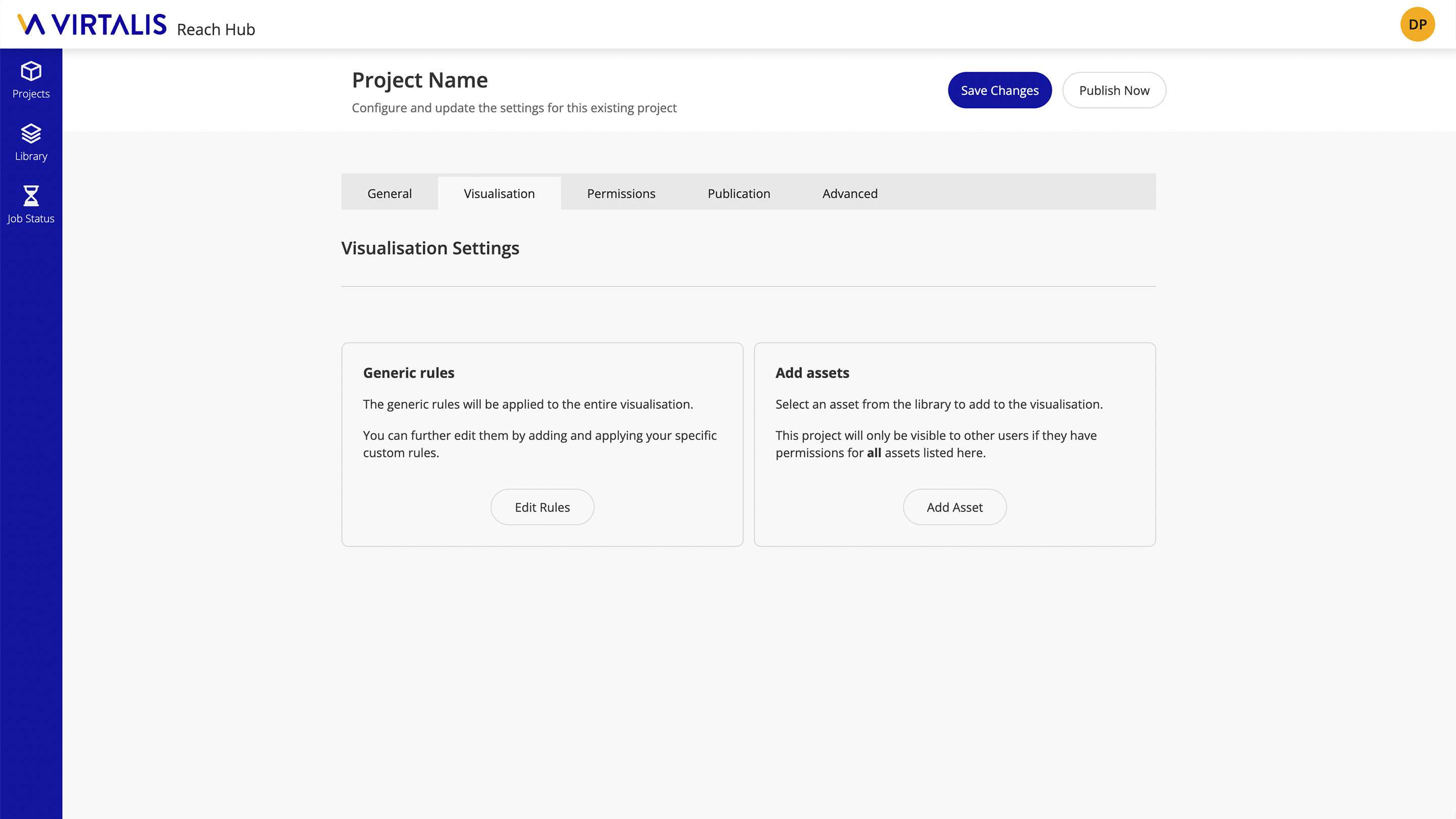
PROJECT SETTINGS - Access tab before
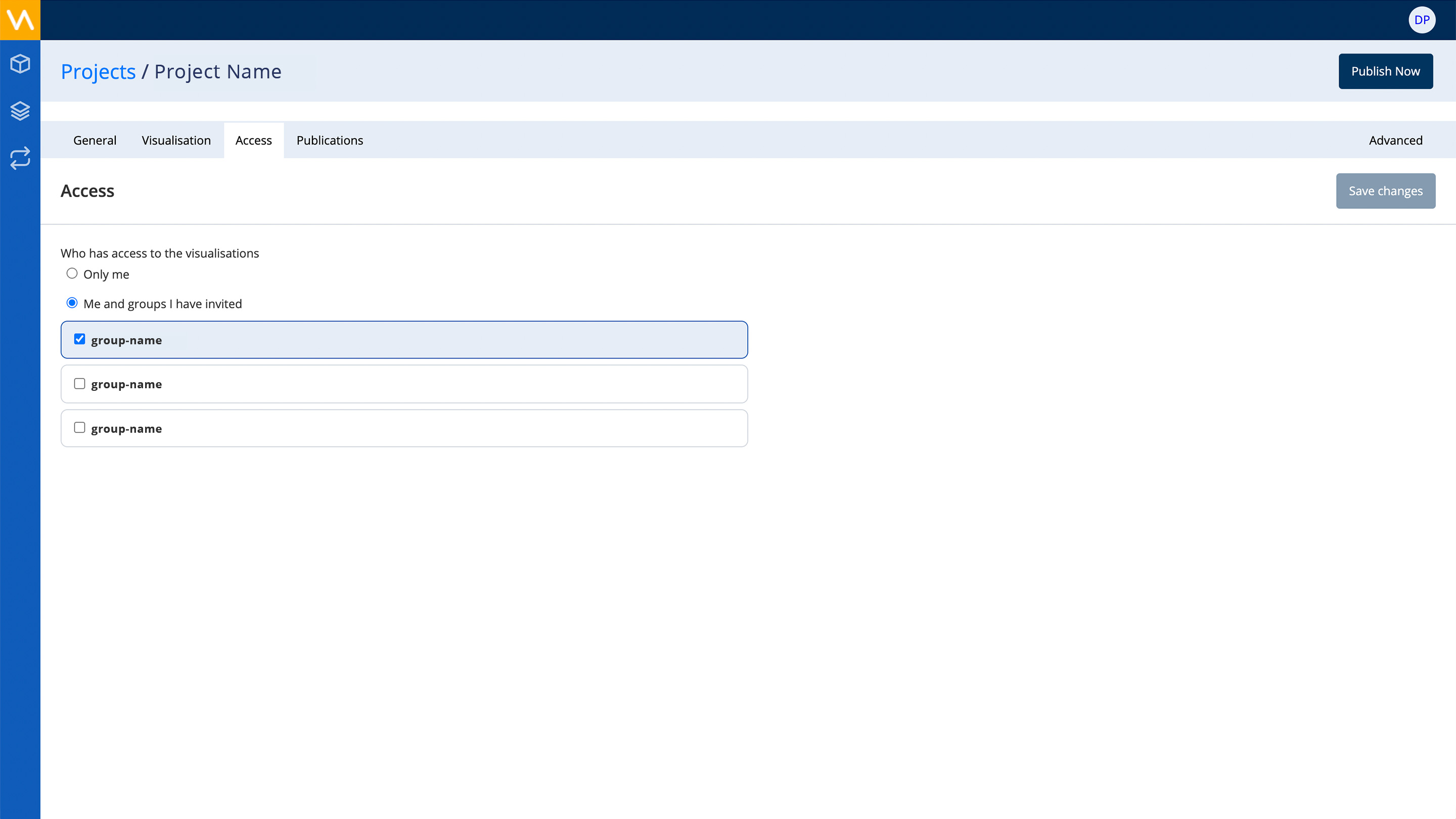
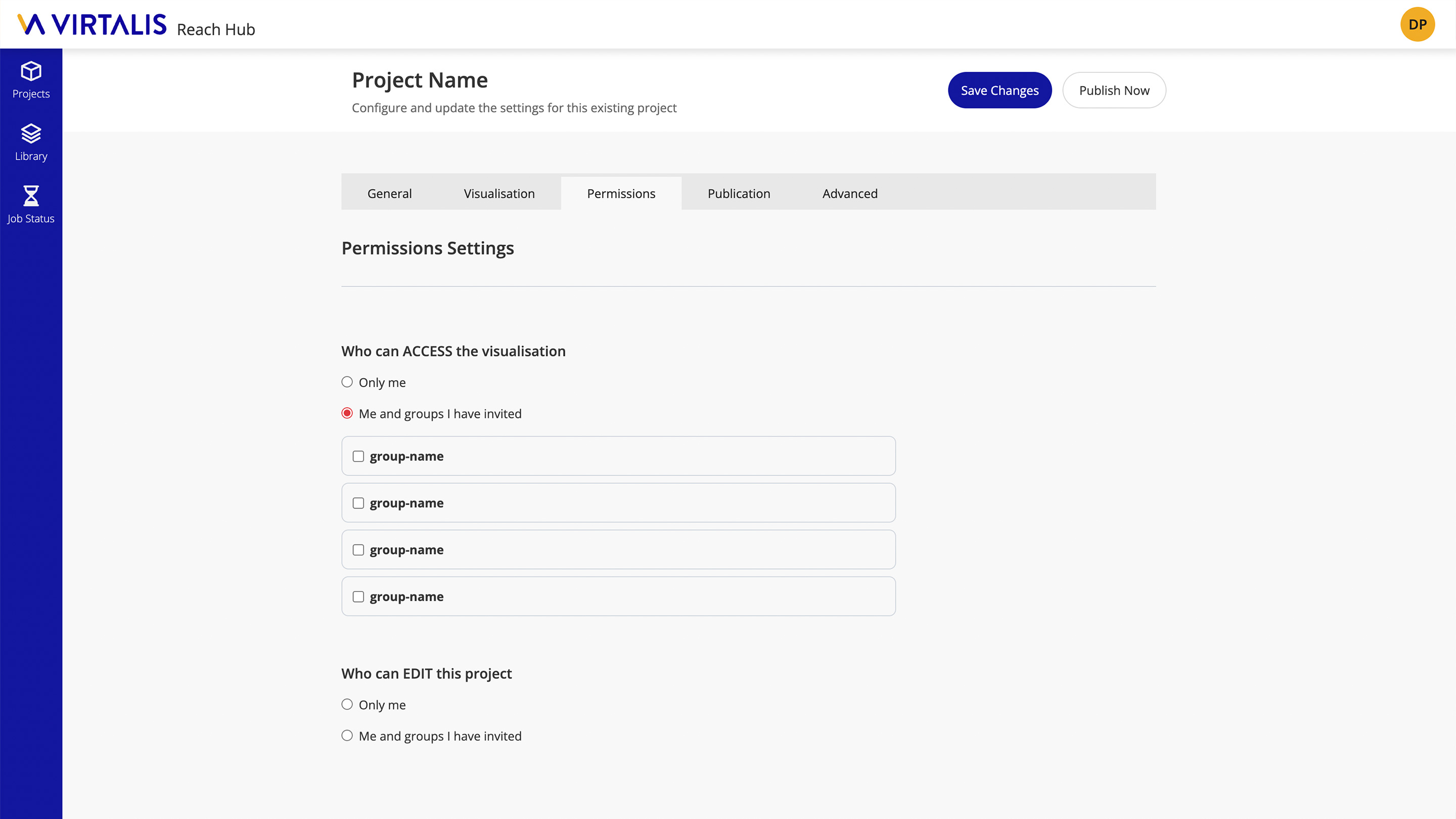
PROJECT SETTINGS - Permissions (renamed) tab after
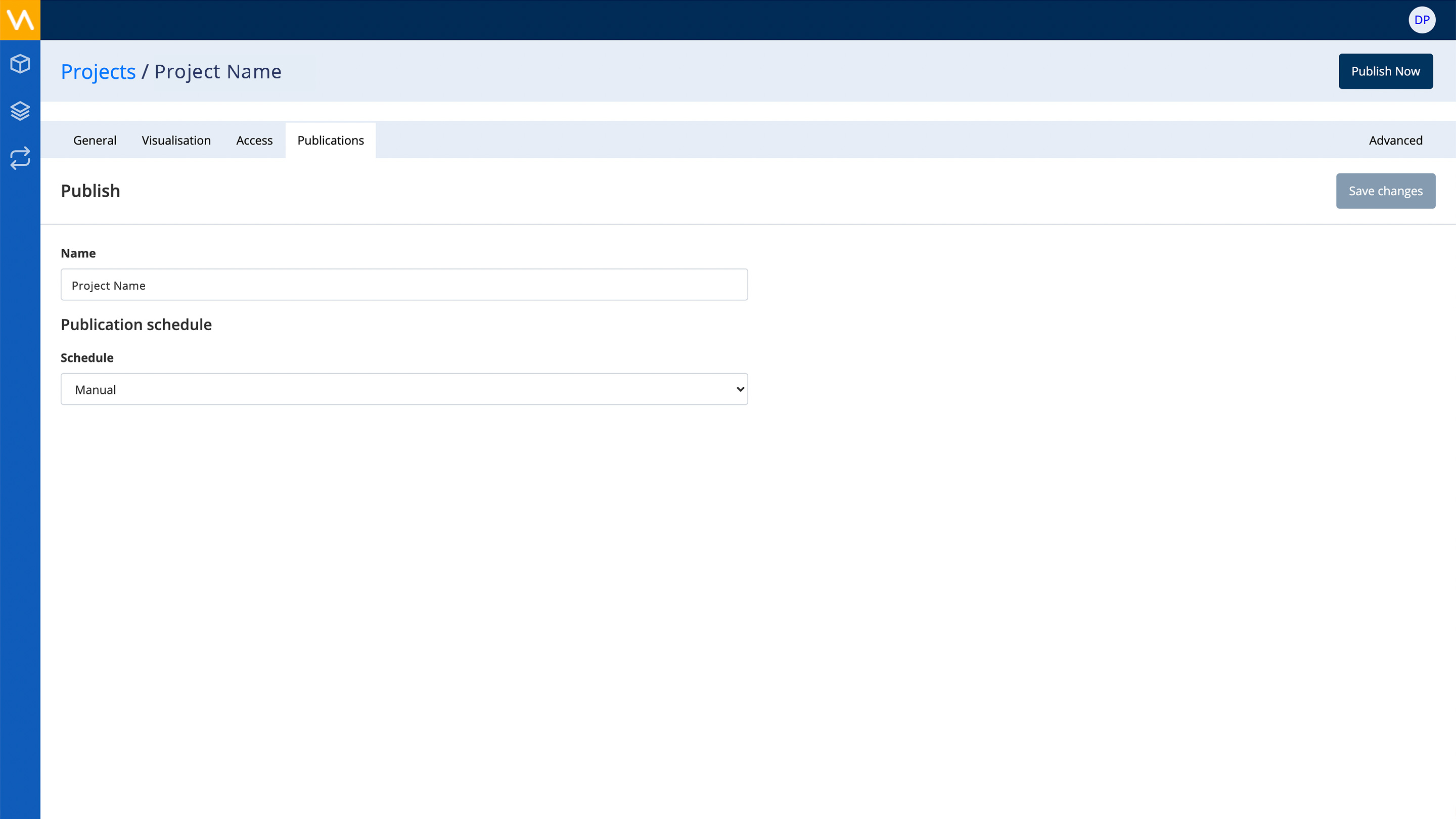
PROJECT SETTINGS - Publications tab before
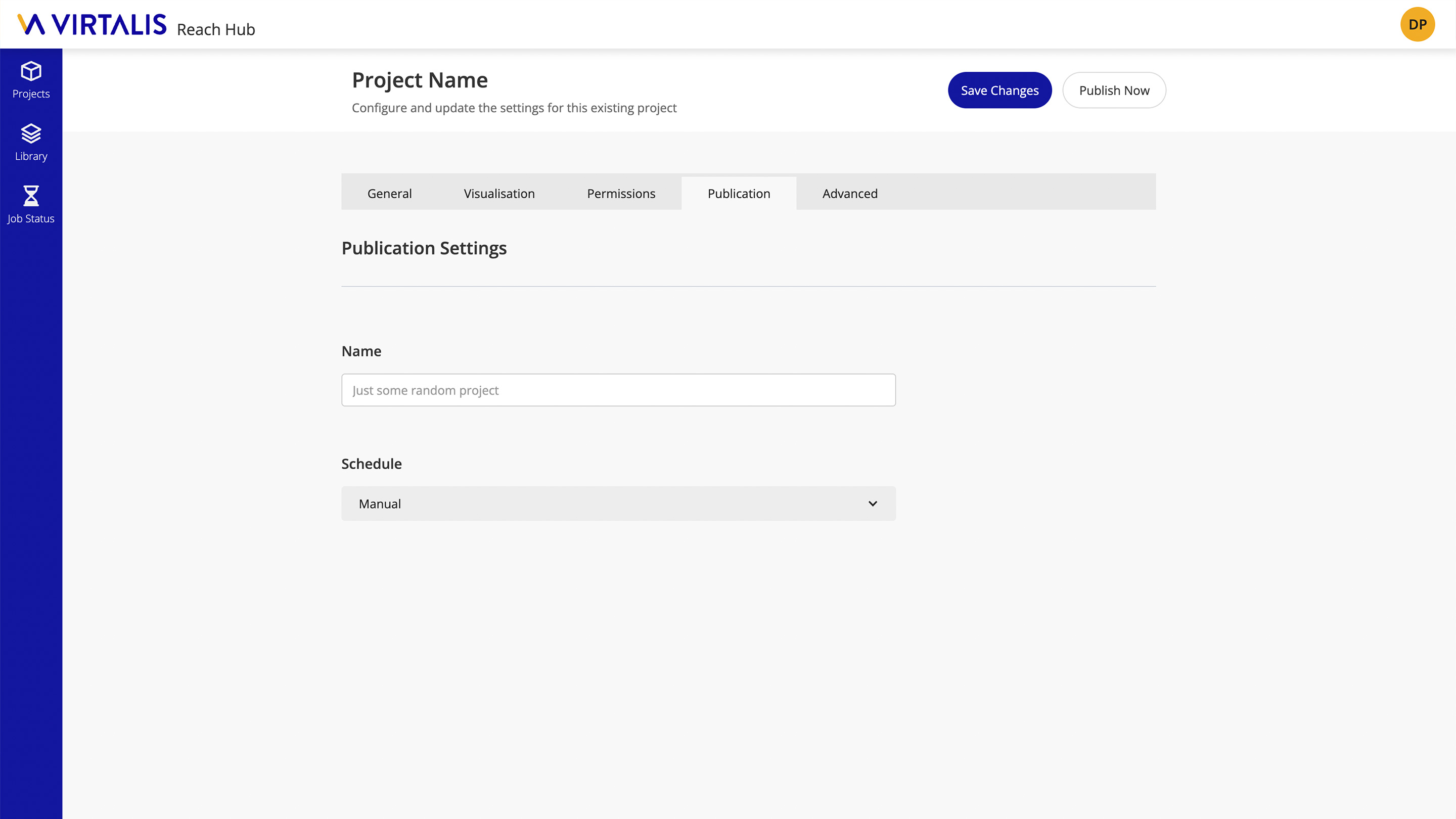
PROJECT SETTINGS - Publication (renamed) tab after
The Making Of
In-Browser Prototyping
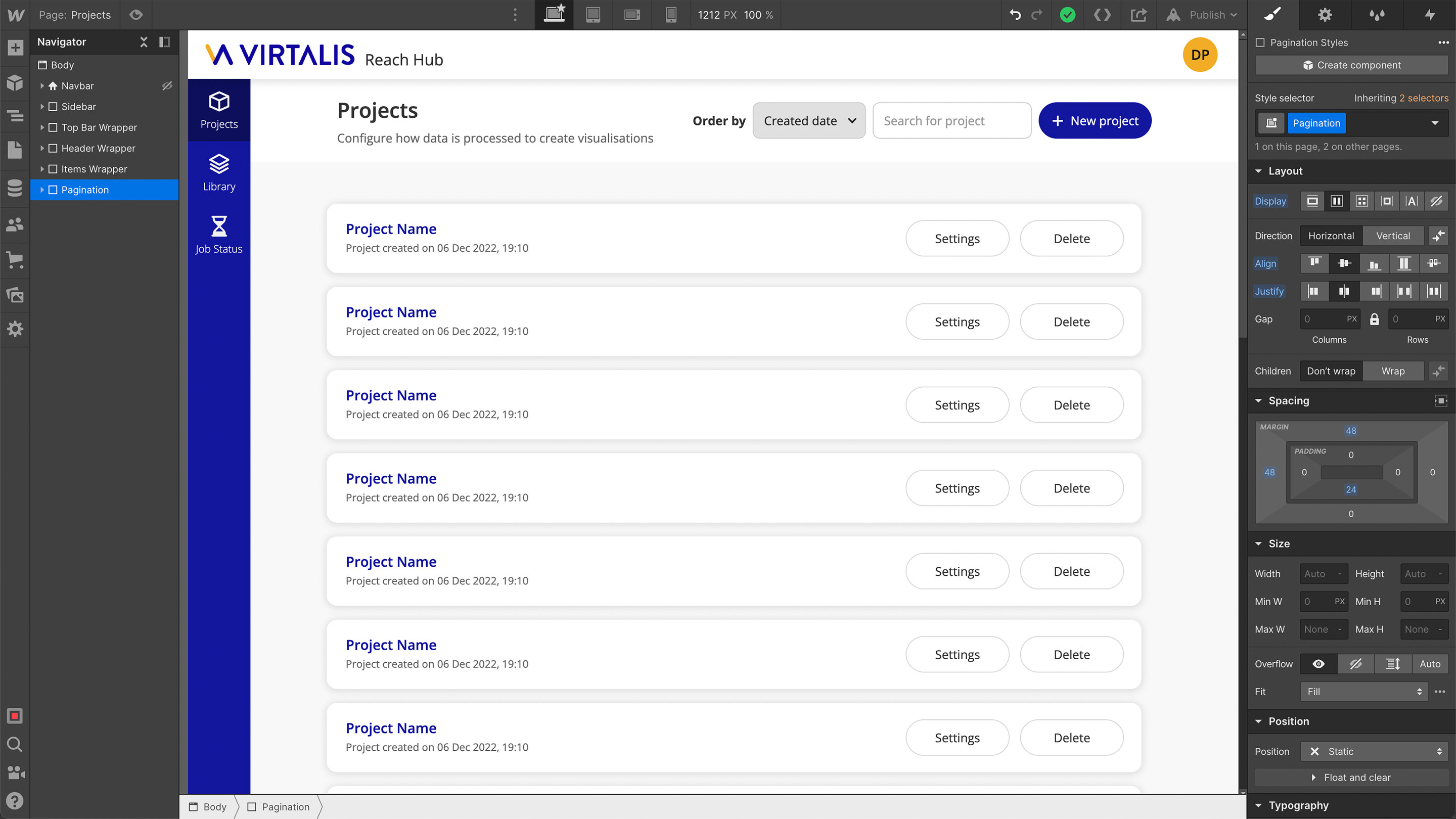
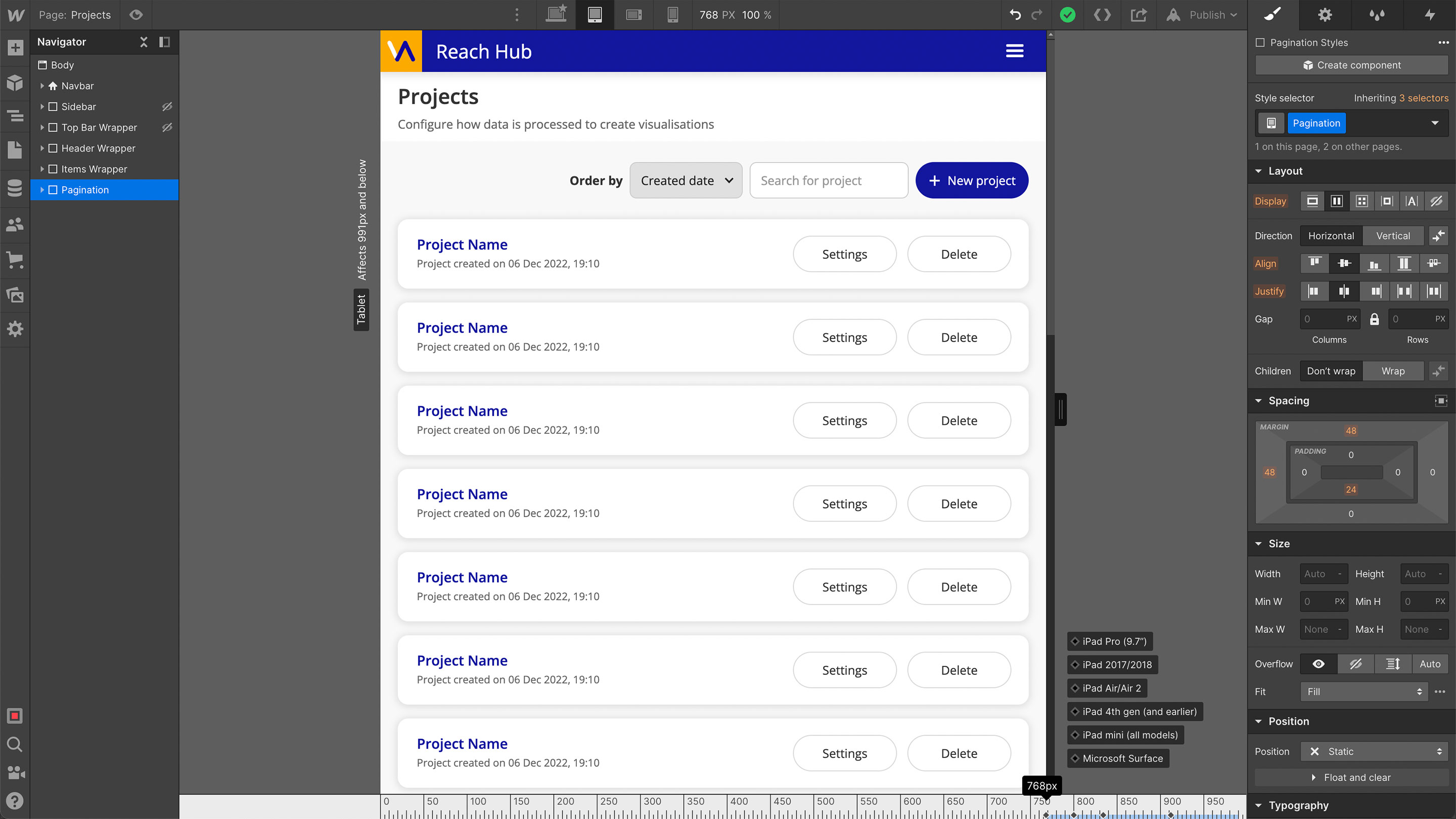
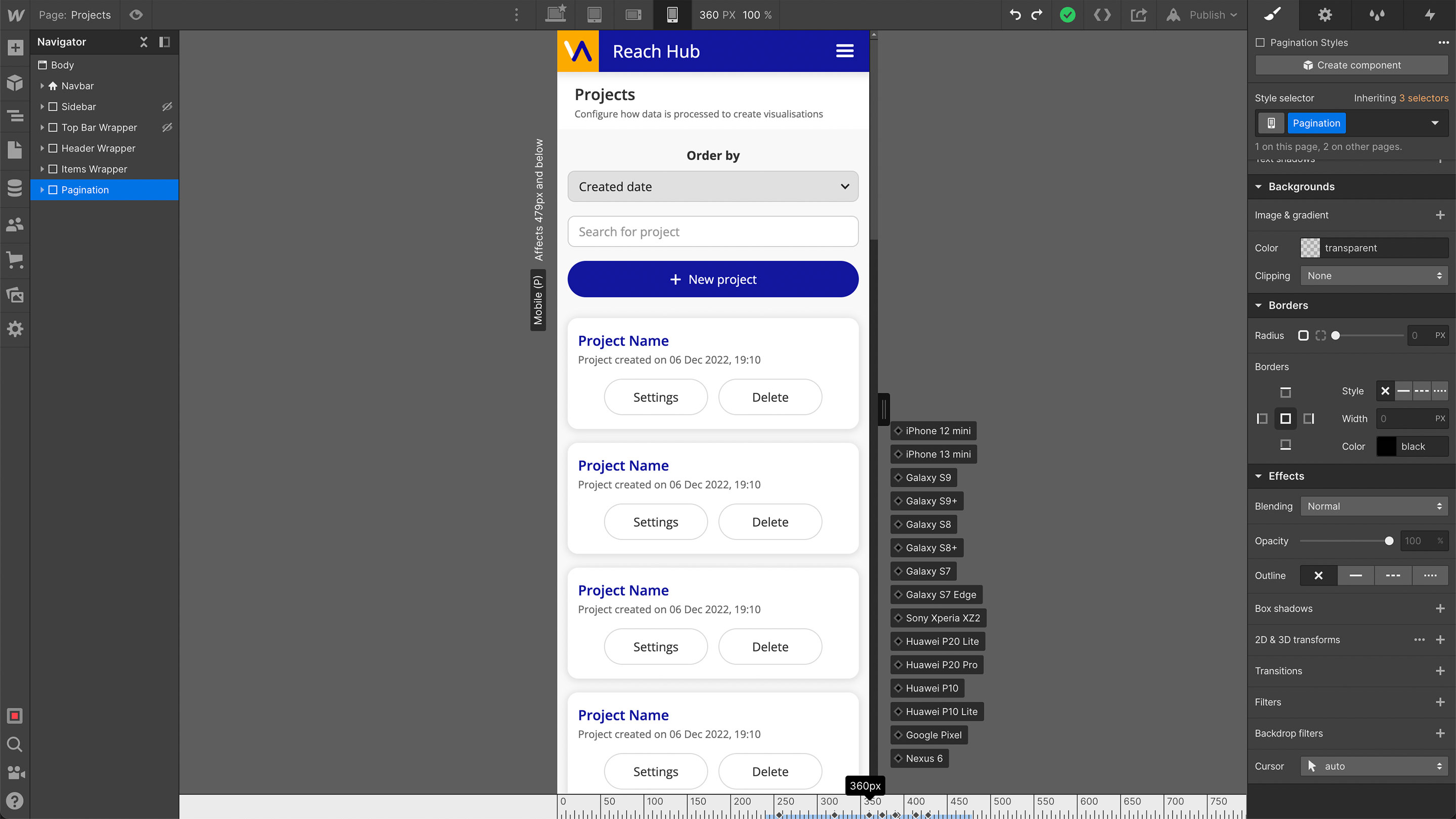
For this task, I recreated the Reach Hub UI structure directly in Webflow, implementing the design recommendations from my UI/UX audit and working on the new look-and-feel of the UI.
This approach allowed me to review and validate the design directly in the browser, giving a clear idea of its final rendering and responsiveness on different devices. Moreover, once exported, the CSS code would provide a valuable and easily readable reference for the front-end developers.
The images below show the restyled Reach Hub UI and its responsive design at different breakpoints.
Desktop devices
Tablet devices
Smartphone devices
Related Works
Check out more works for Virtalis: